
22/06/2022 | Partner: Regione Liguria
The Ligurian Riviera di Ponente seen from above
There is a less common way to connect with nature and culture while visiting the Riviera di Ponente of Liguria and the Province of Imperia: seeing it all from above, along the network of paths. The peaks of the Ligurian Alps overlook the sea on these routes, giving the inland and coastal scenery a fascinating and unique appearance.
Hikers here are accompanied by all the hues of grey, green and blue: the grey of the rock faces and stone wrought by human hand, the pale green of the spring buds and the darker green of the summer foliage, the blue of the sky overhead and of the sea on the horizon. The moniker Ligurian-Alps is virtually an oxymoron: mountains in a region known almost entirely for what it offers on the coast. Yet this is its allure: an outdoor Wunderkammer created by Mother Nature between Piedmont, France and the Riviera dei Fiori; a collection of flora and fauna species, rare and unique to the area, that would satisfy even the most discerning collectors. Without forgetting that right here, just over an hour’s drive from the beaches, you can reach the slopes of Saccarello, the highest peak in Liguria (2,200m altitude).
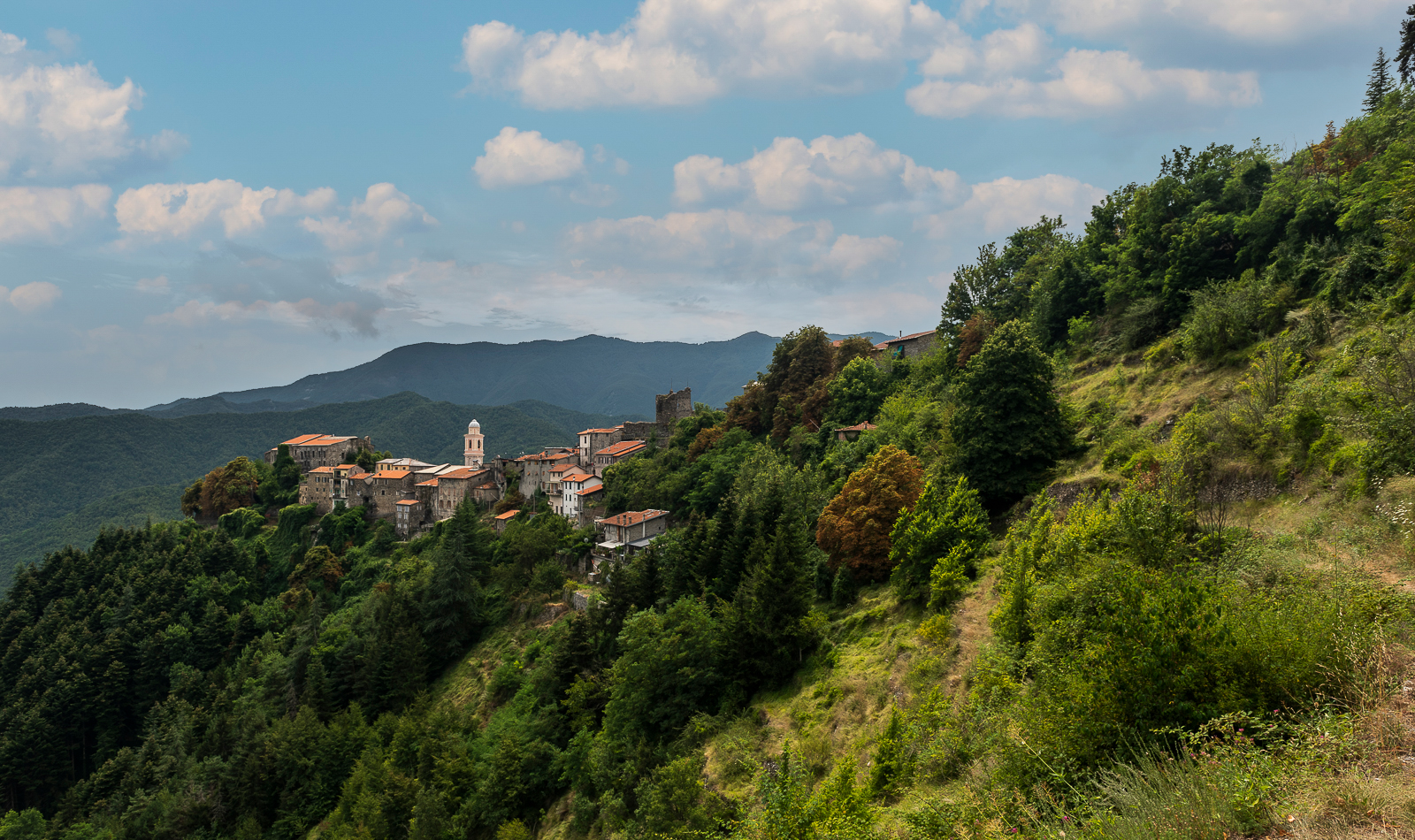
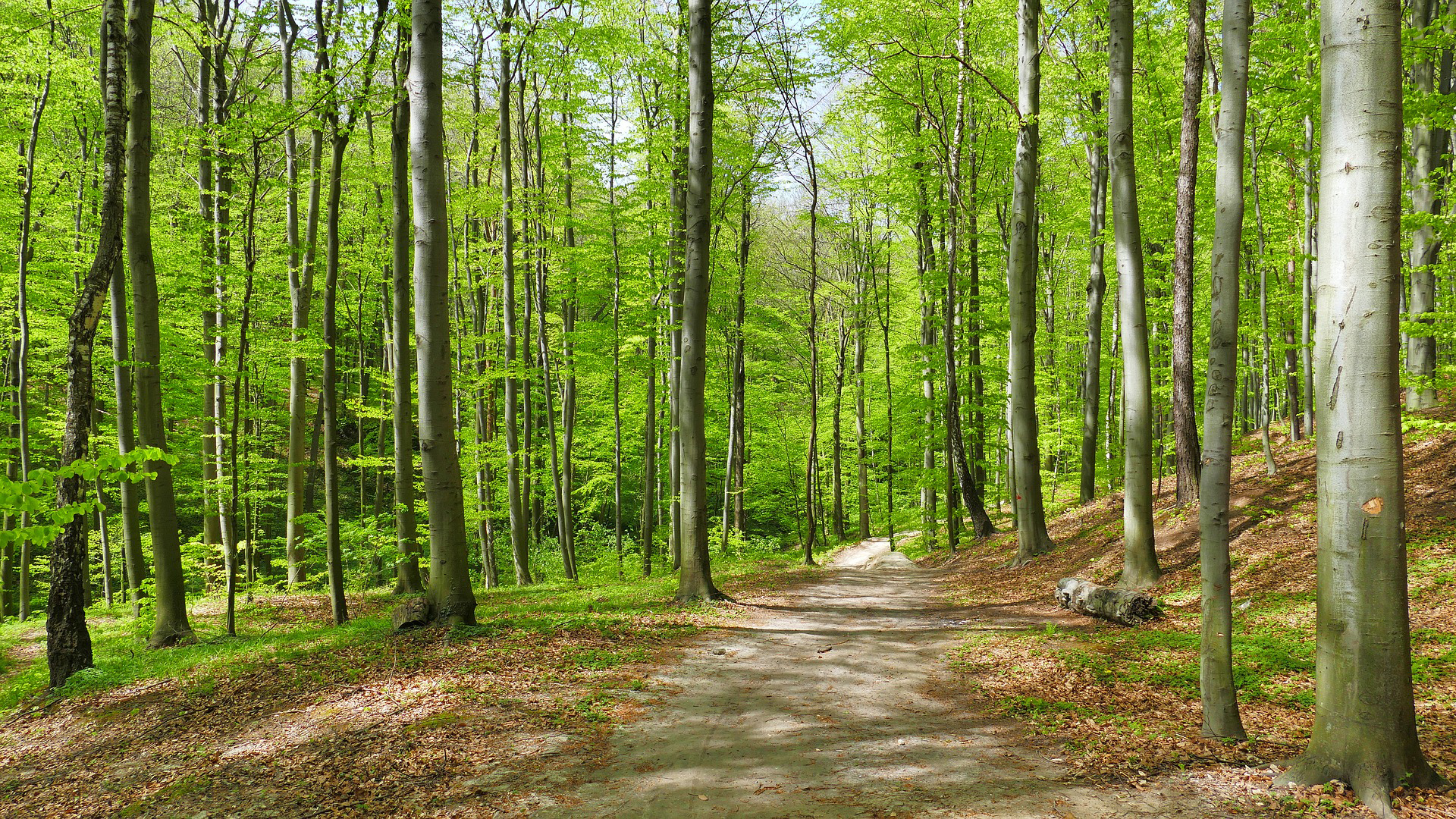
The Alta Via dei Monti Liguri, which connects Ventimiglia to La Spezia in 44 stages, is one of the most scenic routes: the alpine section passes through the mountains with views of the sea, the Riviera dei Fiori, the peaks of the Ligurian Alps and the dense woodlands.
Or the Sentiero del Parco, a network of medium-long distance itineraries that runs from west to east through the protected area of the Regional Natural Park of the Ligurian Alps: Sentiero degli Alpini, Monte Toraggio, the villages of Triora and Realdo, Monte Saccarello, the beech forest of Rezzo and Forti di Nava are among the 12 stages that run from Rocchetta Nervina in Val Nervia to Colle di Nava in Valle Arroscia, and include exceptional observation points for flora and fauna. Exploring the park from valley to valley, along panoramic ridges and slopes, mule tracks and through historic centres, each stop can be enriched with a cultural visit to discover an ancient village, a legend or an important piece of local history.
If you look out from the paths in the Park, you can see traces of human intervention everywhere: villages with frescoed churches, baroque parish churches, stone bridges and barns, defensive works, and small museums that preserve the memories and traditions of a people who were accustomed to a maybe lesser known but more charismatic and authentic face of the territory.
Treasured villages worth stopping at include Cosio d’Arroscia, where you can visit the “In Herbis Salus” Museum with its collection of aromatic and medicinal herbs; Mendatica, where you can learn about all the traditions and memories of pastoral transhumance at the “Civiltà delle Malghe”
Ethnographic Museum; and Montegrosso Pian Latte, where you can immerse yourself in the memories of the charcoal burners and the “cavagnari”, the carvers of the hazelnut wood baskets typical to the area. In Rezzo you can see Clavesana Castle and the Sanctuary of the Madonna Bambina (15th century) with its cycle of frescoes dating from the 15th-16th century; in Pigna the paintings by Giovanni Canavesio (15th-16th century) in the Churches of San Michele and San Bernardo; in Rocchetta Nervina the medieval bridges over the Rio Barbaira and the remains of the count’s castle built by the Doria family. Or you can stop at Triora, in the so-called “Village of Witches”, a term that still endures today and recalls that here, from 1587 to 1589, a major trial took place by the Inquisition Tribunal, which resulted in convictions for several of the village’s women.
The stories of the ancient territorial disputes, of artistic workers’ passages and of local traditions are easily intertwined with nature, as if in the pages of a great book: an extraordinary mélange of unspoilt nature and man-made landscape, where biodiversity meets artistic expression and the daily work of Man, from prehistoric times to the present day.
Partner: Regione Liguria
Sito di riferimento:


